We know that expanding a home in Sydney means navigating council approvals, realistic budgeting, and finding a builder you can trust, all before a single wall comes down. Most homeowners we speak with feel overwhelmed at this stage. They worry about costs blowing out, permits stalling their timeline, and contractors who overpromise.
We have guided hundreds of Sydney families through successful home expansions. We know the local council rules, the typical costs by suburb and project type, and the pitfalls that derail projects before they start.
This checklist walks you through everything you need to sort out before construction begins. You will find clear guidance on planning, approvals, costs, and how to future-proof your investment.
Planning and Design
Every successful home expansion starts with solid planning. We see homeowners who skip this step run into delays and budget blowouts almost every time. A clear plan saves you time, money, and stress throughout the project.
Sydney properties come with challenges you will not find everywhere. Heritage overlays, bushfire zones, and flood mapping all affect what you are allowed to build. Your planning phase needs to account for these local factors from day one.
Define Your Goals
Your goals should guide every decision we make together during your renovation. Families often need extra bedrooms, larger living spaces, or a dedicated home office. Property investors we work with tend to focus more on rental yield or resale value.
We recommend writing down your must-haves and nice-to-haves before your first design meeting. This list helps your design team create plans that actually match your lifestyle. Clear goals prevent the costly mid-project changes that blow out both budget and timeline.
Conduct a Home Assessment (SWOT Analysis)
A SWOT analysis reveals your property’s strengths, weaknesses, opportunities, and threats. Older Sydney homes often have solid bones but outdated wiring underneath. Some blocks offer real room for second-storey additions once you look closely.
Threats typically include heritage restrictions and neighbour objections. A thorough assessment identifies problems before they become expensive surprises during construction. This step usually takes one to two weeks.
Establish a Realistic Budget and Secure Financing
Sydney home extensions typically cost between $2,500 and $5,000 per square metre, according to the Housing Industry Association, with high-end finishes pushing costs toward $7,000 per square metre. Your budget needs a 15–20% contingency for unexpected issues, a figure we build into every quote we prepare.
Banks generally require detailed plans and council approvals before releasing construction loans. We always tell clients to start finance conversations early. Pre-approval gives you the confidence to move forward without second-guessing your numbers.
Hire a Professional Design Team
Architects and building designers understand Sydney’s planning rules inside out. They create designs that maximise space while still meeting council requirements. Professional plans reduce approval delays significantly, which is something we see play out on almost every project.
Look for designers with genuine local experience. They know which councils are strict and which features tend to trigger objections. Good designers save you money by avoiding costly redesigns further down the track.
Develop Detailed Plans
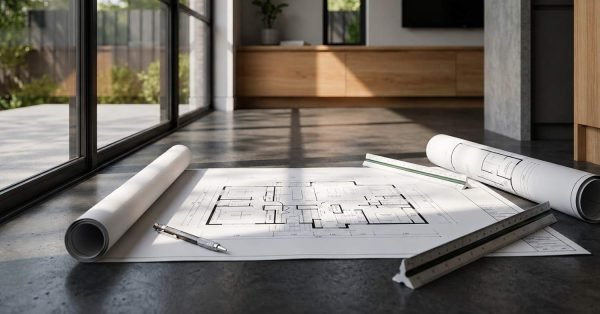
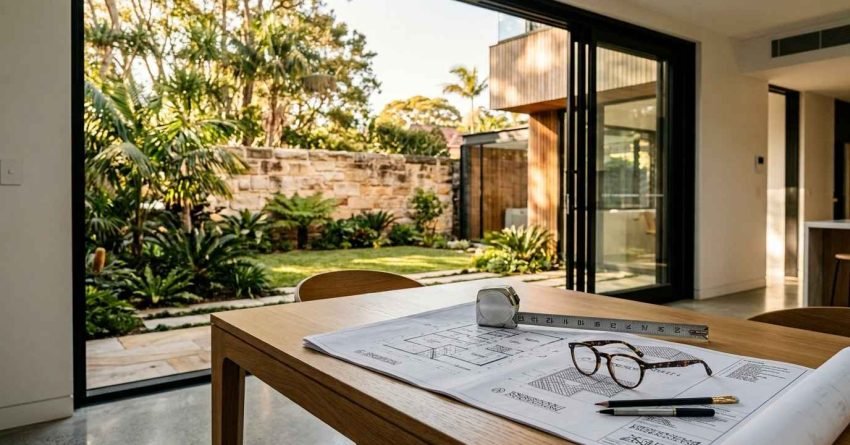
Detailed plans include floor layouts, elevations, and construction specifications. These documents guide your builder and satisfy council requirements at the same time. Incomplete plans are one of the most common causes of approval rejections we see.
Your plans should show materials, window placements, and structural details clearly. Engineers may need to certify structural elements before lodgement. We typically allow four to eight weeks for plan development.
Understanding Sydney-Specific Considerations
Sydney’s planning rules vary dramatically between councils. Inner West Council has different requirements from Northern Beaches Council. Heritage conservation areas add another layer of complexity on top of that.
BASIX (Building Sustainability Index) certificates are mandatory for all residential extensions in NSW, as confirmed by the NSW Planning Portal. This requirement ensures your expansion meets energy and water efficiency standards. Shadow diagrams may also be required if your extension affects a neighbouring property’s access to light.
Approvals and Insurance
Check Local Council Requirements in Sydney
Each Sydney council publishes development control plans (DCPs). These documents specify height limits, setbacks, and floor space ratios you must design within. Your plans need to comply with these rules before lodgement.
Some areas carry additional overlays for heritage, flooding, or bushfire risk. We always check a property’s zoning before finalising any design. Council websites provide free planning certificates that confirm these overlays.
Obtain Planning Permission (DA) or Pursue a CDC
Development Applications (DAs) go through full council assessment. This process takes 40–90 days on average, based on typical NSW council timelines. Complex projects can take longer than that.
Complying Development Certificates (CDCs) offer faster approval through private certifiers. CDCs suit straightforward projects that meet specific criteria. Not every extension qualifies for this pathway.
Some minor works may not need formal approval at all. Certain low-impact additions, like small decks or minor internal alterations, can fall under exempt development if they meet strict size and location criteria set by the NSW Planning Portal. We always confirm exemption eligibility with your council before assuming you can skip this step.
Inform Your Home and Contents Insurer
Your insurer needs to know about any construction work on your property. Standard policies often do not cover renovation-related damage. Some insurers require construction-specific coverage while building is underway.
Update your sum insured once the work is finished. Your expanded home carries a higher replacement value than before. Failing to update your coverage leaves you underinsured at the worst possible time.
Understanding Home Warranty Insurance
Home warranty insurance protects you if your builder cannot complete the work or fix defects due to insolvency, death, or licence loss. In NSW, it is compulsory for residential building work over $20,000, administered under NSW Fair Trading’s home building compensation scheme. Your builder must arrange this cover before taking any deposit or starting work.
We always provide our clients with certificate evidence upfront. This single document protects your entire investment if something goes wrong on the builder’s end.
Verify Contractor Credentials and Insurance
Licensed builders in NSW hold credentials issued by NSW Fair Trading. Check licence numbers on the public register before signing anything. Unlicensed work voids your home warranty insurance entirely.
Builders must also carry public liability and workers’ compensation insurance. Request certificates before signing any contract. This protection covers accidents that happen on your property during construction.
Choosing the Right Builder in Sydney
The right builder makes or breaks your project. We recommend looking for builders with proven experience specifically in home extensions, not just general renovations. Ask for references from recent Sydney projects, and actually call them.
Get three detailed quotes for comparison before deciding. The cheapest quote often signals corners being cut somewhere you cannot see yet. Mid-range quotes from reputable, licensed builders typically offer the best value.
Before signing, ask your builder these questions:
- How many similar extensions have you completed in the last two years?
- Can you provide your NSW Fair Trading licence number and current insurance certificates?
- What is included in your fixed-price contract, and what counts as a variation?
- What is your estimated timeline, and what could realistically extend it?
- Who manages the project day-to-day, and how will we communicate?
Renovation Cost Expectations in Sydney
Accurately forecasting your financial commitment is essential before committing to architectural designs or builder contracts. In a property market as dynamic as Sydney’s, building expenses are shaped not just by raw square meterage, but by your choice of materials, site constraints, and local trade availability. Understanding benchmark figures and what drives price variations across different types of builds allows you to set a practical scope from day one and avoid uncomfortable surprises halfway through construction.
Typical Price Ranges for Home Extensions
Ground floor extensions typically cost $2,500–$4,000 per square metre for basic finishes. Second-storey additions range from $3,500–$5,500 per square metre. These figures reflect current 2025 Sydney market conditions reported by the Housing Industry Association.
Kitchen and bathroom areas cost more due to plumbing and fixtures. Budget $30,000–$50,000 for a new bathroom within your extension. Quality materials increase both longevity and resale appeal.
Here is a quick breakdown by project type:
| Project Type | Typical Cost Range (per m²) |
| Ground floor extension (basic finish) | $2,500–$4,000 |
| Ground floor extension (high-end finish) | $5,000–$7,000 |
| Second-storey addition | $3,500–$5,500 |
| New bathroom (within extension) | $30,000–$50,000 total |
| Granny flat (standalone) | $2,000–$3,500 |
Factors That Influence Cost
Site access affects costs significantly. Narrow lanes and steep blocks require special equipment to move materials safely. Inner-city properties often face the biggest access challenges we see.
Structural complexity drives prices higher too. Removing load-bearing walls requires engineering solutions signed off by a structural engineer. Sloping sites need additional foundation work that adds to the budget.
How to Prevent Cost Blowouts
Fixed-price contracts protect you against unexpected increases. We always include detailed specifications in every contract we write. Vague descriptions lead to disputes and costly variations later.
Avoid making changes once construction starts. Mid-project alterations can cost 30–50% more than the same work planned upfront. We recommend making every decision before the first day of building.
Logistics and Preparation
Plan where you will live during construction well before the build starts. Some families stay on-site throughout, while others choose to rent temporarily nearby. Dust, noise, and disrupted utilities will affect daily life either way, so it helps to decide early which trade-off suits your household.
If you plan to stay on-site, we recommend setting up a temporary kitchen and bathroom zone away from the work area. Families with young children or pets often find renting nearby, even for just the noisiest weeks, reduces stress significantly. Talk to your builder about which construction phases are loudest and most disruptive so you can plan around them.
Arrange secure storage for furniture and valuables before demolition starts. Construction sites unfortunately attract theft, especially in inner-city areas. Remove anything valuable from the site before work begins.
Utilities and Infrastructure Planning
Your extension needs connections to existing electrical, plumbing, and gas systems. Older Sydney homes may require switchboard upgrades to handle the additional load. These upgrades typically add $2,000–$5,000 to overall project costs.
Stormwater management is critical in Sydney given local rainfall patterns. Councils require proper drainage design to prevent flooding on your property and neighbouring blocks. Your builder must connect the extension to existing stormwater infrastructure correctly.
Council vs Private Certifier Pathways
DA vs CDC: Which Path Is Faster for Sydney Properties?
CDCs typically take 10–20 days, compared to 40–90 days for DAs. Private certifiers assess CDC applications against statewide codes rather than local council discretion. This pathway suits standard extensions on fully compliant properties.
DAs allow more flexibility for complex designs. Council planners can approve variations from standard rules that a private certifier cannot. Heritage properties usually require the DA pathway for this reason.
Required Documents
Both pathways require site surveys, architectural plans, and BASIX certificates. Shadow diagrams show how your extension affects neighbouring properties’ access to sunlight. Structural engineering certificates confirm the safety of your design.
Some councils also require landscape plans and stormwater management reports. We always check specific requirements with your council or certifier before lodgement. Missing documents are one of the most common causes of delayed approvals.
Typical Approval Timelines for Sydney Councils
Inner West Council averages 50–70 days for straightforward DAs. City of Sydney often takes 60–90 days. Northern Beaches Council typically processes applications in 45–65 days.
CDC approvals are faster across all areas we work in. Most certifiers complete assessments within two weeks. Complex applications may take slightly longer than that.
Neighbour and Strata Considerations
Notify neighbours before lodging your application. Early conversations prevent formal objections later in the process. Most neighbours appreciate being informed about upcoming work before they see scaffolding go up.
Strata properties require body corporate approval before any work begins. This process can take months in some buildings. We recommend starting strata discussions as early as possible in your planning phase.
Pre-Construction Site Preparation
Clear the construction zone before your builders arrive on site. Remove plants, outdoor furniture, and any obstacles from the work area. Protect trees you want to keep with temporary fencing before demolition starts.
Arrange skip bins and material storage areas ahead of time. Your builder needs clear space for deliveries and waste removal. We discuss site logistics with every client during contract negotiations to avoid surprises on day one.

Future-Proofing Your Home Expansion
Designing for Family Growth and Long-Term Needs
Flexible spaces adapt to changing family needs over time. Today’s playroom becomes tomorrow’s home office without much extra work. Open floor plans offer the most versatility as your needs shift.
Consider accessibility features now, even if you do not need them yet. Wider doorways and ground-floor bathrooms support ageing in place later. These features cost very little during construction but a great deal to retrofit afterward.
Enhancing Resale Value in the Sydney Property Market
Quality extensions add significant value to Sydney properties. Well-designed additions can increase property value by 10–20%, based on typical Sydney market performance. Poor-quality work, on the other hand, detracts from value quickly.
We always recommend focusing budget on kitchens, bathrooms, and living spaces. These areas drive the most buyer interest at resale. Outdoor connections also appeal strongly to Sydney buyers specifically.
Incorporating Smart Home and Energy-Efficient Features
Smart wiring supports future technology upgrades without opening up walls again. We recommend installing conduits during construction for easy cable runs later. This small preparation step costs little now but saves thousands down the track.
Solar panel preparation includes roof orientation and electrical capacity planning. Energy-efficient windows reduce ongoing running costs for the life of the home. These features also attract environmentally conscious buyers when you eventually sell.
Post-Construction Checklist and Handover
Once building work finishes, do not skip the final steps. Your builder needs to arrange a final inspection and, where required, an Occupation Certificate before you can legally occupy the new space. Keep copies of every certificate, warranty document, and compliance certificate issued during the project.
Walk through the finished extension with your builder and note any defects before final payment. Most contracts include a defects liability period, typically three to six months, during which your builder must fix any issues that arise. We recommend testing every fixture, door, and window during this walkthrough rather than after your builder has left site.
Keep your BASIX certificate, structural engineering certificates, and warranty insurance documents somewhere safe. You will need these if you sell the property or make an insurance claim later. A completed handover file protects your investment long after construction wraps up.
Conclusion
A thorough pre-renovation checklist prevents costly mistakes and unnecessary delays. Sydney homeowners face unique challenges with council requirements and local site conditions that vary block by block. Proper preparation sets your project up for success from the very first planning meeting.
We deliver end-to-end solutions for home expansions across Sydney, from initial planning through to final handover. We handle approvals, budgeting, and construction with transparent pricing at every stage. Our team knows Sydney’s councils and building requirements intimately because we work with them every week.
Contact Sydney Home Renovation today for a detailed consultation. We will assess your property and give you realistic, honest cost estimates from day one. Your home expansion starts with one conversation with our team.
Frequently Asked Questions
How long does a home extension take in Sydney?
Most Sydney home extensions take four to eight months from approval to completion. Complex projects may take up to twelve months. The Timeline depends on size, complexity, and council requirements.
Do I need council approval for a home extension in Sydney?
Yes, all home extensions in Sydney require either a DA or CDC approval. Even small additions typically need certification. Building without approval creates serious legal and insurance problems.
How much does a home extension cost per square metre in Sydney?
Sydney home extensions cost $2,500–$5,000 per square metre on average. High-end finishes and complex sites push costs higher. We always recommend including a 15–20% contingency in your budget.
Can I live in my home during the extension?
Many families stay home during their extension. Dust, noise, and utility disruptions will affect daily life either way. We discuss staging options with every client to help minimise inconvenience.
What is the difference between a DA and CDC?
DAs go through council assessment and take 40–90 days. CDCs use private certifiers and take 10–20 days. CDCs only work for projects meeting specific complying development criteria.
Do I need an architect for a home extension?
Architects are not legally required, but we highly recommend using one. Professional designers create better outcomes and smoother approvals. Their fees typically save money through more efficient designs.
What insurance do I need during construction?
Inform your home insurer about any construction work before it starts. Your builder must carry public liability and workers’ compensation insurance. Home warranty insurance protects you against defects after completion.