Low-ROI upgrades to avoid in Australia include over-the-top swimming pools, ultra-luxury bathroom finishes, excessive built-in wardrobes, high-end landscaping, and overly personalised renovations that exceed neighbourhood standards. We see these mistakes drain renovation budgets without lifting resale value across Sydney every year.
Many Australian homeowners spend thousands on upgrades that never pay off at resale. They assume expensive equals valuable. This costly mistake drains renovation budgets without boosting property prices.
The solution lies in understanding which improvements actually add value. Smart renovators focus on upgrades that appeal to broad buyer pools. They avoid niche features that only suit personal taste.
In this guide, we’ll walk you through the low-ROI upgrades we see Sydney homeowners regret most, and what we recommend instead.
Understanding Return on Investment for Home Renovations
Return on investment measures how much value a renovation adds versus its cost. A bathroom renovation in Australia typically costs between $10,000 and $35,000 depending on scope and finishes, according to HIA renovation cost data. Yet not every dollar spent translates into increased property value.
We find that Australian property valuers assess homes based on comparable sales in the area first. They consider location, land size, and overall condition before finishes. Expensive upgrades in modest suburbs rarely recoup their full cost.
The key metric we always come back to is cost recovery percentage. High-ROI renovations recover 80–100% of costs at sale, while low-ROI upgrades often recover less than 50%, per CoreLogic renovation value research. Understanding this difference saves homeowners from expensive mistakes.
We also see homeowners overspend on structural work like restumping or foundation repairs, assuming it adds the same value as cosmetic upgrades. Structural fixes protect the home but rarely lift sale price the way a kitchen or bathroom refresh does. Capital growth potential varies significantly across Australian markets, and Sydney behaves differently to regional areas; your renovation decisions should always align with local buyer expectations.
Swimming Pools and Spa Installations
Swimming pools rank among the worst investments we see in Sydney homes. Installation costs range from $35,000 to $100,000 for in-ground options, according to Houzz Australia renovation cost guides. Most sellers recover only 50% or less of this expense.
Many buyers we speak with view pools as maintenance burdens rather than assets. Annual upkeep costs between $1,200 and $3,000 for chemicals, cleaning, and equipment. Families with young children often see pools as safety hazards rather than selling points.
Pool installations also reduce usable backyard space. Sydney buyers increasingly value outdoor entertaining areas over swimming space. We generally recommend a well-designed deck or patio instead; it delivers a better return in most suburbs.
Climate considerations matter too. Pools make more sense in Queensland than in cooler regions. Even in warm parts of NSW, the cost-to-value ratio stays unfavourable for most properties.
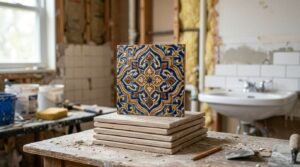
Over-Customised Bathroom and Kitchen Finishes
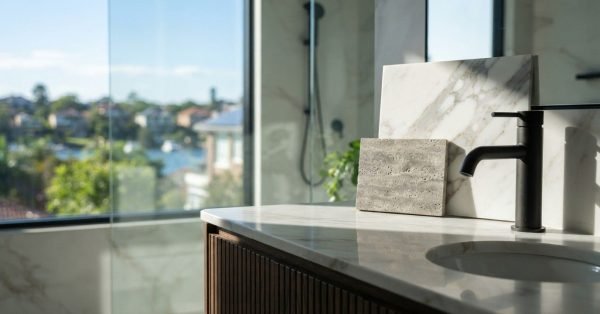
Ultra-luxury finishes rarely translate into proportional value increases. Installing $500-per-square-metre tiles in a median-priced suburb wastes money. Buyers in that area won’t pay premium prices just because you used premium materials.
Custom cabinetry and imported fixtures create a similar problem. A $60,000 kitchen renovation in a $700,000 home overcapitalises the property, since the neighbourhood price ceiling limits what buyers will pay regardless of finishes. We see this trap catch first-time renovators more than anyone else.
Bold colour choices and unusual layouts also hurt resale potential. Bright feature walls appeal to a narrow slice of buyers. Removing a bathtub for a walk-in shower can eliminate families from your buyer pool entirely.
We always recommend quality mid-range finishes instead. Neutral colours and timeless designs appeal to a broader audience. This approach maximises value without overcapitalising on your suburb.
Excessive Built-In Wardrobes and Storage Solutions
Built-in wardrobes seem practical but often deliver poor returns. Custom joinery costs between $2,000 and $8,000 per wardrobe, according to Archistar cost benchmarking. Buyers rarely pay proportionally more for extensive built-ins.
Over-engineering storage creates another problem. Walk-in robes that consume bedroom space reduce the room’s perceived size. Buyers generally prefer flexible spaces they can configure themselves.
Garage conversions for storage backfire frequently too. Removing car parking space decreases property value in most Sydney suburbs. Buyers prioritise secure vehicle storage, especially in urban areas.
We recommend adequate, not excessive, storage. Standard built-ins in bedrooms satisfy most buyers. Additional storage needs can be met later with freestanding furniture.
High-End Landscaping and Outdoor Features
Elaborate landscaping rarely recovers its installation cost. Professional landscaping projects range from $5,000 to $50,000 depending on scope, per HIA outdoor renovation data. Most homeowners recover less than 40% at sale.
Exotic plants require ongoing maintenance that deters buyers. Native gardens cost less and appeal to environmentally conscious purchasers. Water features add complexity without adding proportional value.
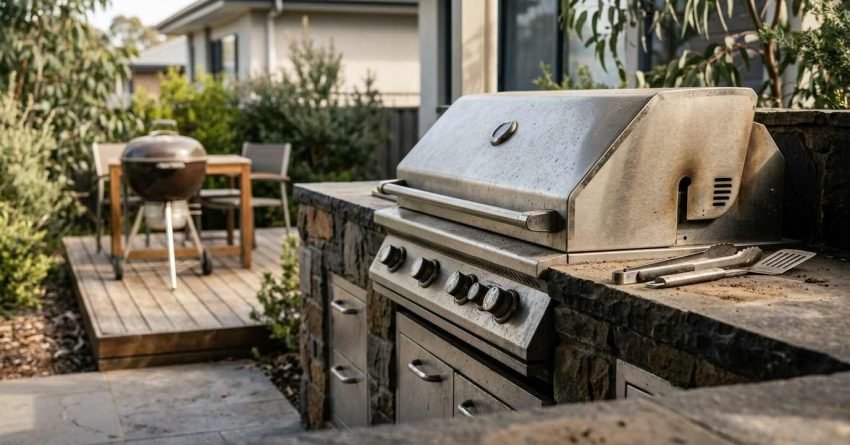
Outdoor kitchens represent another overcapitalisation trap we see often. Full outdoor cooking setups cost $15,000 to $40,000 installed. Most buyers prefer simple BBQ areas they can customise themselves later.
Tennis courts and elaborate entertainment areas face similar issues. These features appeal to a narrow buyer segment. Maintenance costs and space requirements deter many potential purchasers.
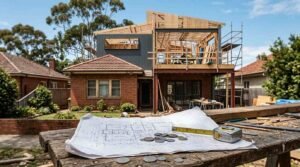
Home Extensions and Second-Storey Additions Without a Clear Plan
Home extensions and second-storey additions can add genuine value, but only when planned against your suburb’s price ceiling. We regularly see homeowners spend $150,000 to $350,000 on a second-storey addition in a suburb where comparable homes sell for less than the new total cost. That gap is money you won’t get back.
The mistake isn’t the extension itself; it’s building without checking what similar extended homes actually sell for nearby. We always start with comparable sales research before recommending scope. This protects your budget from overcapitalising on square metreage the market won’t pay for.
Extensions also need to match the existing home’s style and flow. A poorly integrated addition can make a property feel disjointed to buyers, even if the build quality is excellent. We design extensions to feel like part of the original home, not an obvious add-on.
Excessive Built-In Wardrobes and Storage Solutions
Custom joinery and built-in storage seem like practical additions, but over-engineering them is an easy way to overcapitalise. Full-wall custom units, built-in study nooks, and oversized walk-in wardrobes can run anywhere from $4,000 to upwards of $15,000 per room. At resale, Sydney buyers rarely pay a premium for fixed cabinetry that dictates how a room must be laid out.
Overly complex storage can actually work against you by shrinking usable floor space and making bedrooms feel cramped. Garage storage conversions and rigid built-ins can also backfire if they eat into essential vehicle parking or reduce room versatility. To protect your renovation ROI, stick to clean, standard built-in robes with functional internal shelving in bedrooms. Leaving spaces flexible allows future buyers to configure rooms to their own lifestyle without absorbing the cost of custom carpentry.
Removing Bedrooms to Create Open-Plan Living
Knocking down walls to create open-plan living is popular, but removing a bedroom to do it often backfires. Bedroom count is one of the biggest drivers of property value in Sydney’s market. Dropping from four bedrooms to three can reduce your buyer pool significantly, even with a larger living area.
We’ve seen homeowners spend $20,000 to $40,000 on this kind of reconfiguration only to find their home now competes in a lower price bracket. Families searching for a four-bedroom home won’t consider a three-bedroom property, no matter how open the living space feels.
If you want a more open layout, we generally recommend widening doorways or removing non-structural partitions between living areas instead. This preserves bedroom count while still improving flow.
Renovating Without Considering Your Selling Timeline
Timing matters as much as scope when it comes to renovation ROI. A major renovation started six months before listing rarely finishes in time to influence the sale, and rushed work often shows in the finish quality. We recommend planning any resale-focused renovation at least 12 months ahead of a planned sale.
Cosmetic updates paint, flooring, and presentation deliver the fastest ROI close to a sale date. Structural work, extensions, and major layout changes need far more lead time to pay off. We help clients map renovation scope against their actual selling timeline so spending lines up with when it matters most.
Renovations That Exceed Neighbourhood Standards
Overcapitalisation occurs when renovation spending exceeds recoverable value. A $200,000 renovation on a $600,000 property in a $650,000 suburb guarantees a loss. The neighbourhood price ceiling caps what buyers will pay, regardless of quality.
We know Australian property valuers use comparable sales methodology to assess your home against recent sales of similar nearby properties. Luxury features don’t justify prices above local benchmarks, according to CoreLogic suburb price data.
Street appeal matters more than internal luxury in modest areas. Buyers in affordable suburbs prioritise functionality over premium finishes. They won’t pay extra for features they didn’t expect to find.
We always recommend researching your suburb’s price ceiling before renovating. Check recent sales of renovated properties in your area first. This data reveals realistic return expectations for your planned upgrades.
Solar Panels and Energy Systems Without Proper Assessment
Solar installations don’t always deliver positive returns. System costs range from $4,000 to $12,000 after rebates, according to Clean Energy Council data. Payback periods extend 5 to 10 years depending on usage patterns.
Buyers don’t always value solar systems appropriately. Older systems with degraded panels may add minimal value. Lease arrangements can actually complicate a property sale.
Battery storage systems face even longer payback periods. Current battery costs make them financially questionable for most homes. Technology improvements may render today’s systems obsolete quickly.
We recommend calculating actual savings first. Consider your energy usage, feed-in tariffs, and system lifespan carefully. Only proceed once the numbers genuinely support the investment.
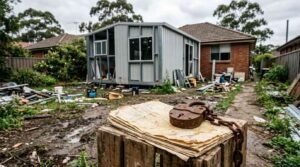
Granny Flats and Secondary Dwellings in Wrong Locations
Granny flats cost between $100,000 and $200,000 to build in Australia. They only add strong value in areas with high rental demand, according to SQM Research rental yield data. Rural and outer suburban locations often see poor returns.
Council regulations vary significantly across local government areas. Some councils restrict rental use of secondary dwellings. These limitations reduce the income potential that justifies construction costs.
Quality and design affect value recovery substantially. Cheap kit homes may actually decrease overall property appeal. We find well-designed additions that complement the main dwelling perform far better.
We recommend researching rental yields in your specific suburb before building. Calculate whether rental income justifies construction and ongoing costs. Many granny flats take 15 to 20 years to pay for themselves.
Smart Home Technology and Automation Systems
Smart home systems depreciate rapidly as technology evolves. A $20,000 automation system becomes outdated within a few years. Buyers often prefer choosing their own technology solutions.
Proprietary systems create additional problems. If the manufacturer discontinues support, the system becomes worthless. Buyers may view complex automation as a maintenance burden rather than a feature.
Basic smart features like thermostats and security cameras add modest value. These affordable upgrades appeal to tech-savvy buyers. Extensive whole-home automation rarely recovers its cost.
We recommend focusing on infrastructure rather than specific devices. Quality wiring and network cabling support future technology choices. This approach provides flexibility without overcapitalising on current systems.
Conclusion
Avoiding low-ROI upgrades protects your renovation budget and maximises property value. Smart homeowners research their local market before committing to expensive improvements. They choose upgrades that appeal to broad buyer pools rather than personal preferences.
We help clients make informed decisions about renovation spending every day. We provide transparent cost planning that aligns with realistic value expectations for your specific Sydney suburb, and we identify which upgrades will genuinely pay off before you commit a dollar.
We encourage you to contact Sydney Home Renovation before starting your next project. Our team helps you avoid costly mistakes and focus on the improvements that actually build value. This way, your renovation budget works as hard as possible for your long-term financial future.
Frequently Asked Questions
What home renovations have the worst ROI in Australia?
Swimming pools, ultra-luxury finishes, and over-customised spaces deliver the worst returns. These upgrades often recover less than 50% of costs at sale. We recommend sticking to mid-range finishes that appeal to broad buyer pools.
How do I know if I’m overcapitalising on my renovation?
We suggest researching recent sales of renovated properties in your suburb first. If your planned spending would push your home above local price ceilings, you’re overcapitalising. The neighbourhood benchmark limits what buyers will pay.
Are swimming pools worth the investment in Australia?
Generally no. Pools cost $35,000–$100,000 but rarely recover more than half at sale. We find many buyers view them as maintenance burdens rather than valuable features.
Do solar panels add value to Australian homes?
Solar can add modest value, but it depends on system age and condition. Newer systems in good condition may add $10,000–$20,000 to property value. Older or leased systems add less or complicate sales.
What bathroom upgrades should I avoid?
We recommend avoiding bathtub removal, ultra-luxury finishes, and bold colour choices. These choices limit your buyer pool significantly. Neutral, mid-range finishes appeal to more purchasers.
How much value does a granny flat add in Australia?
Value depends heavily on location and rental demand. In high-demand areas, granny flats may add $100,000–$150,000. In low-demand locations, they may not recover construction costs.
Should I renovate to my taste or for resale value?
We suggest balancing both considerations based on your timeline. If you’re selling within five years, prioritise resale appeal. Longer ownership periods allow more personal choices, but we’d still avoid extreme customisation.