Introduction
The biggest home renovation trends in 2026 Australia include sustainable building materials, smart home technology integration, wellness-focused bathroom designs, outdoor living expansions, and energy-efficient upgrades. Australian homeowners now prioritise eco-conscious choices and long-term value over purely aesthetic updates.
Planning a renovation without understanding current trends can lead to costly mistakes. You might invest in features that don’t add resale value. Or you could miss opportunities for energy savings and government rebates.
In this blog, we will explain what are the trends for home renovation in 2026 (Australia) and how each trend impacts your budget and property value.
Sustainable and Eco-Friendly Building Materials
Australian homeowners are choosing sustainable materials at record rates in 2026. According to the Green Building Council of Australia, demand for certified green building products has increased by 34% since 2023. This shift reflects growing environmental awareness and rising energy costs.
Recycled timber, bamboo flooring, and low-VOC paints now dominate renovation specifications. These materials reduce environmental impact while improving indoor air quality. Many suppliers now offer carbon-neutral delivery options for eco-conscious renovators.
Key sustainable material choices for 2026:
- Recycled steel and aluminium for structural elements
- Cork and bamboo flooring alternatives
- Hempcrete and rammed earth for walls
- Recycled glass countertops
- FSC-certified timber products
The cost premium for sustainable materials has dropped significantly. Research from CSIRO shows green materials now cost only 8-15% more than conventional options. Government rebates often offset this difference entirely.
Smart Home Technology Integration
Smart technology has become essential in Australian home renovations. The Smart Home Market Report 2024 values Australia’s smart home sector at $4.2 billion. This figure is projected to reach $6.1 billion by 2027.
Homeowners want seamless control over lighting, climate, and security systems. Voice-activated assistants now manage everything from blinds to bathroom heating. Integration with solar systems maximises energy efficiency and cost savings.
Most requested smart home features:
- Automated lighting with motion sensors
- Smart thermostats and climate control
- Video doorbells and security cameras
- Automated irrigation systems
- Energy monitoring dashboards
Installation costs have decreased as technology matures. A basic smart home setup now costs between $2,000 and $5,000. Premium whole-home automation ranges from $15,000 to $50,000 depending on complexity.
Wellness-Focused Bathroom Design
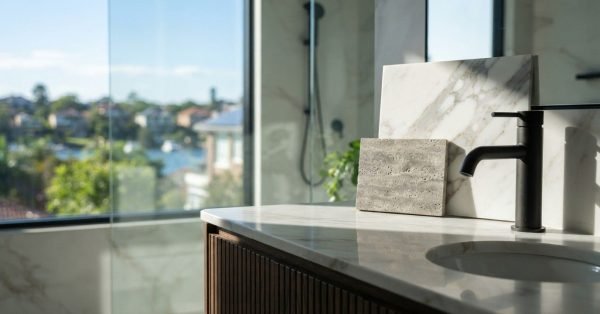
Bathrooms have transformed into personal wellness retreats in 2025. Houzz Australia’s 2024 Bathroom Trends Study found that 67% of renovators now prioritise spa-like features. This trend reflects post-pandemic focus on home-based self-care.
Steam showers, heated floors, and chromotherapy lighting lead the wellness bathroom movement. Japanese-style soaking tubs have gained popularity in larger bathrooms. Bidet toilets with heated seats are now standard in premium renovations.
Popular wellness bathroom upgrades:
- Rainfall and body jet shower systems
- Underfloor heating with smart controls
- Towel warming drawers
- Aromatherapy diffuser integration
- Natural stone and timber accents
Budget allocation for bathroom wellness features typically adds $8,000 to $25,000 to standard renovation costs. However, these upgrades consistently deliver strong returns at resale. Buyers increasingly expect spa-quality bathrooms in premium properties.
Outdoor Living Space Expansion
Australian outdoor living spaces are becoming true extensions of the home. Domain’s 2024 Property Report indicates that quality outdoor areas add 5-10% to property values. This premium has driven significant investment in alfresco renovations.
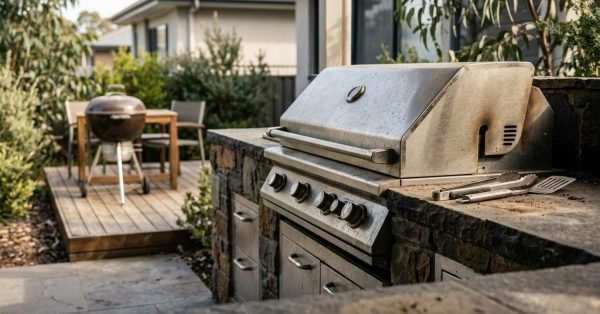
Covered outdoor kitchens with full cooking facilities now rival indoor spaces. Weather-resistant furniture and heating extend usability year-round. Integrated sound systems and outdoor televisions create entertainment hubs.
Essential outdoor living features for 2025:
- Built-in BBQ and pizza oven stations
- Covered pergolas with louvre roofing
- Outdoor heating and cooling systems
- Weatherproof electrical and lighting
- Plunge pools and spa installations
Outdoor kitchen installations range from $15,000 for basic setups to $80,000 for premium configurations. Covered entertaining areas typically cost between $20,000 and $60,000. These investments consistently rank among the highest-return renovation projects.
Energy Efficiency Upgrades and Solar Integration
Energy efficiency dominates renovation priorities as electricity costs continue rising. The Australian Energy Regulator reports average household bills increased by 18% in 2024. This pressure drives homeowners toward comprehensive efficiency upgrades.
Solar panel installations, battery storage, and heat pump hot water systems form the efficiency trifecta. Double-glazed windows and improved insulation reduce heating and cooling demands. LED lighting throughout the home cuts electricity consumption significantly.
High-impact energy efficiency upgrades:
- 6.6kW solar systems with battery storage
- Heat pump hot water systems
- Double or triple-glazed windows
- Ceiling and wall insulation upgrades
- Energy-efficient split system air conditioning
Solar Victoria rebates offer up to $1,400 off solar installations. Similar programs exist across other states. A typical 6.6kW solar system costs $4,000 to $8,000 after rebates. Battery storage adds $8,000 to $15,000 but provides blackout protection.
Multi-Functional and Flexible Living Spaces
Hybrid work has permanently changed how Australians use their homes. The Australian Bureau of Statistics reports 37% of workers now work from home at least one day per week. This shift demands adaptable spaces that serve multiple purposes.
Home offices, study nooks, and convertible rooms feature in most renovation plans. Sliding walls and pocket doors create flexible boundaries. Built-in storage maximises functionality without sacrificing floor space.
Popular multi-functional design solutions:
- Murphy beds with integrated desks
- Sliding room dividers and barn doors
- Built-in window seats with storage
- Convertible dining and workspace areas
- Soundproofed home office pods
Creating a dedicated home office typically costs $5,000 to $15,000 depending on size and finishes. Soundproofing adds $2,000 to $5,000 but proves essential for video calls. These investments support productivity and work-life balance.
Natural and Organic Interior Finishes
Biophilic design principles now guide interior finish selections. The International WELL Building Institute links natural materials to improved mental health outcomes. Australian renovators embrace this connection through material choices.
Timber, stone, and natural textiles create warmth and visual interest. Curved edges replace sharp corners in joinery and furniture. Indoor plants and living walls bring nature inside permanently.
Trending natural finish choices:
- Limewash and clay-based wall paints
- Terrazzo flooring and benchtops
- Rattan and cane furniture accents
- Linen and cotton soft furnishings
- Natural stone feature walls
Premium natural finishes typically add 10-20% to material budgets. However, their timeless appeal avoids costly trend-driven updates. Quality natural materials also age gracefully, developing character over time.
Aging-in-Place and Accessibility Features
Australia’s aging population drives demand for accessible home design. The Australian Institute of Health and Welfare projects 22% of Australians will be over 65 by 2030. Proactive renovators now incorporate accessibility from the start.
Wider doorways, curbless showers, and grab rails no longer look institutional. Designers integrate these features seamlessly into modern aesthetics. Smart home technology supports independent living through voice control and automation.
Key aging-in-place modifications:
- Zero-threshold shower entries
- Lever-style door handles throughout
- Non-slip flooring in wet areas
- Adjustable-height benchtops
- Stairlifts or elevator provisions
Accessibility modifications during renovation cost 30-50% less than retrofitting later. A fully accessible bathroom adds approximately $3,000 to $8,000 over standard specifications. These features also appeal to families with young children.
Conclusion
The 2026 Australian renovation landscape rewards thoughtful, future-focused planning. Sustainable materials, smart technology, and wellness features deliver both lifestyle benefits and strong returns. Energy efficiency upgrades provide ongoing savings while reducing environmental impact.
Sydney Home Renovation helps homeowners navigate these trends with confidence. We translate complex options into clear, budget-aligned recommendations. Our team ensures your renovation captures current trends while maintaining timeless appeal.